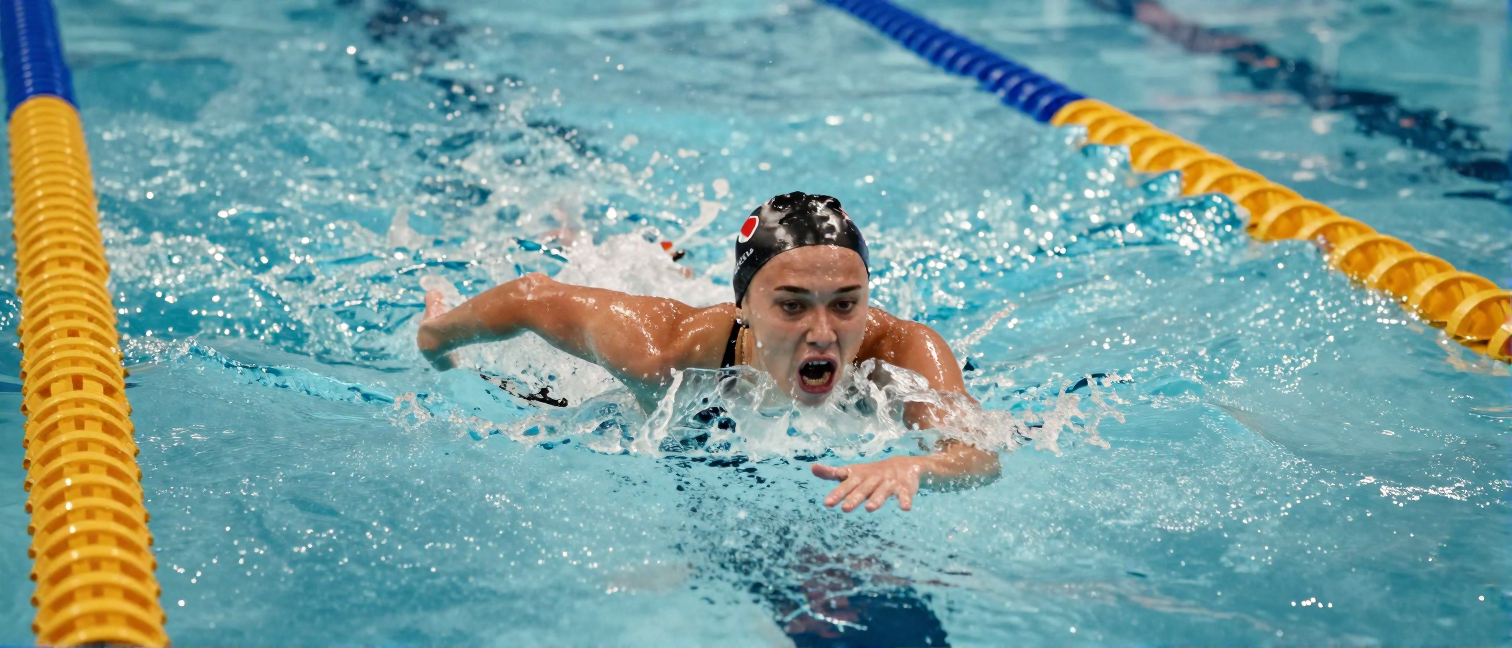
Ariarne Titmus clinched gold in the women’s 400m freestyle at the Tokyo Olympics on 26 July 2021 by executing a race plan crafted by coach Dean Boxall, edging out rival Katie Ledecky with a 4:01.86 finish.
What was the tactical plan?
Boxall revealed that the plan hinged on a fast first 100 metres to force Ledecky off her usual pacing rhythm. He instructed Titmus to hit the wall in under 58 seconds, then settle into a controlled third‑quarter before unleashing a final sprint. The approach meant Titmus would dictate the tempo from the start, leaving Ledecky to react rather than set her own race.
How did Titmus execute it?
In the Tokyo Aquatics Centre, Titmus exploded off the blocks, touching 57.9 seconds at the 100‑metre mark – exactly the split Boxall wanted. She maintained a steady rhythm through the second 100, staying within a half‑second of Ledecky, who was still finding her stride. By the 300‑metre turn, Titmus had a clear lead, and she surged in the last 100 metres, finishing 0.6 seconds ahead of Ledecky.
Why does this matter for Titmus’s career?
The victory marked Titmus’s first Olympic gold and proved she could out‑think a swimmer of Ledecky’s stature. It also highlighted Boxall’s reputation as a tactical innovator, reinforcing the coach‑athlete partnership that has driven Australian swimming success. The win boosted Titmus’s confidence heading into the 800m and 1500m events, where she now faces the added pressure of defending her new title.
What does the plan suggest for future races?
Boxall’s strategy shows that controlling early splits can neutralise Ledecky’s renowned endurance. If Titmus repeats a similar approach in upcoming World Championships, she may force Ledecky into a more defensive posture. The plan also signals that other competitors will study this blueprint, potentially reshaping how elite freestylers approach middle‑distance finals.
How did the swimming world react?
Analysts praised the boldness of the plan, noting that few coaches would dare to challenge Ledecky’s pacing in a 400m final. Former Olympian Ian Thorpe called the performance “a masterclass in race‑day execution,” while Australian media highlighted the win as a turning point for the nation’s swimming program.
What’s next for Titmus?
After the 400m triumph, Titmus turned her focus to the 800m freestyle, scheduled for 28 July 2021. Boxall hinted at a slightly altered approach, aiming for a more even‑paced race to conserve energy for a final sprint. The upcoming race will test whether the aggressive start can be adapted to longer distances without sacrificing endurance.
How can fans follow the story?
All subsequent races will be streamed live on the Olympic platform, with Boxall expected to provide post‑race insights on social media. Fans can track Titmus’s progress via her official Instagram, where she often shares training snippets and race reflections.
The tactical masterplan that turned the tide in Tokyo underscores the importance of strategic thinking in elite swimming. As Titmus continues to challenge the sport’s biggest names, her partnership with Boxall may well rewrite the playbook for future champions.